
Prompt Engineering for Short Videos: Why One Word Can Kill Your Reach
Discover how a single misplaced word can reduce engagement in AI-generated short videos. Learn the editorial discipline behind prompts that drive visual retention and reach.
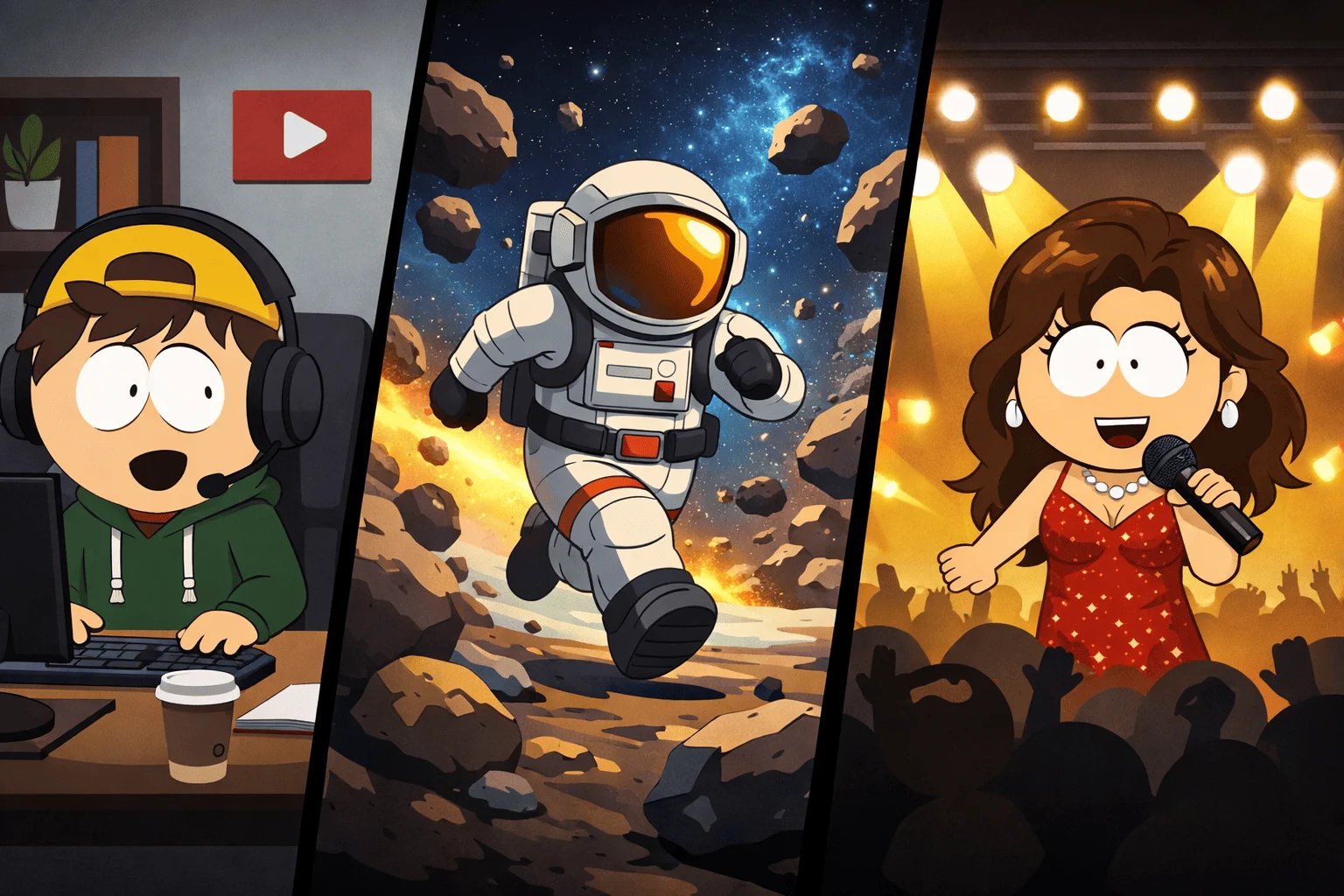
Table of Contents
- Prompt Engineering in the Age of AI Video
- Why Short Videos Reveal Prompt Flaws
- How One Word Breaks a Video
- What Drives Visual Retention
- Writing Prompts That Hold Attention
- The Three-Second Rule in Short-Form Engagement
- Tone and Emotion in AI Prompts
- Building a High-Performing Prompt
- Frequent Prompting Errors
- Before-and-After Examples
- Maximizing Reach Through Strategic Prompting
- Narrative Beats in Short AI Videos
- Tools That Translate Prompts Into Motion
- From Text Prompt to Published Short
- FAQs
- Conclusion: Precision Over Poetry
Prompt Engineering in the Age of AI Video
Prompt engineering means writing precise, deliberate language for artificial intelligence systems. In short-form video creation, that precision determines how an algorithm interprets a creator’s vision.
When you use tools like Runway, Pika Labs, or Kaiber, every word defines tone, movement, and pacing.
For example:
- “A calm ocean wave” produces stillness and low motion.
- “A crashing wave under storm clouds” creates urgency and energy.
That difference shapes how long viewers stay before scrolling. One phrasing generates emotion; the other does not.
Why Short Videos Reveal Prompt Flaws
Short-form platforms punish vagueness. Long videos can rely on dialogue or gradual buildup. Short clips cannot.
TikTok, YouTube Shorts, and Instagram Reels measure engagement within the first seconds. A weak start reduces reach immediately.
Your prompt controls that opening frame.
A bland description like “a person walking in a city” leads to a generic image. Rewriting it as “a runner weaving through neon-lit Tokyo streets” builds motion, intensity, and story.
Prompt quality directly shapes retention.
How One Word Breaks a Video
Artificial intelligence reads words as data, not as creative nuance. One misplaced term can shift an entire composition.
Compare these two examples:
- “A young woman dancing on stage.”
- “A confident performer dancing under a glowing spotlight.”
The first version feels neutral. The second conveys charisma and intention. A single adjective alters posture, light, and movement.
When prompts include unclear or conflicting words like chaotic, abstract, or random, visuals lose coherence. The result looks confusing and forgettable.
Prompt engineering works best when language remains deliberate and consistent.
What Drives Visual Retention
High-performing short videos share clear traits: purposeful motion, emotional focus, and disciplined pacing.
The strongest prompts rely on verbs rather than adjectives. Words like rising, flashing, or turning guide AI models to build motion and tension.
Vague descriptors such as beautiful or unique add nothing. Instead, describe what creates beauty: light, depth, or rhythm.
Treat each prompt as a direction for camera and subject, not a tagline.
Writing Prompts That Hold Attention
A proven structure helps maintain clarity and consistency:
[Emotion] + [Subject] + [Action Verb] + [Context] + [Style Keyword]
Example:
“Energetic astronaut sprinting through a glowing asteroid field, cinematic lighting.”
Each component adds a clear visual cue:
- Emotion defines tone.
- Subject identifies focus.
- Action Verb signals motion.
- Context creates place and dimension.
- Style Keyword shapes the aesthetic result.
A strong prompt reads like a short production note. It defines exactly what the AI should visualize.
The Three-Second Rule in Short-Form Engagement
The opening seconds determine success. Algorithms assess watch time almost immediately. If the visual starts static, the audience leaves.
Compare:
- “A calm lake at sunrise.”
- “The sun breaks over a misty lake as ripples scatter light.”
The second example begins with movement and sensory detail. It captures attention before the viewer can swipe.
Start every short video with a clear visual action, not a setting description.
Tone and Emotion in AI Prompts
Tone words influence how AI systems build light, color, and rhythm. They also shape how audiences interpret what they see.
| Tone Word | Visual Effect | Typical Use |
|---|---|---|
| Cinematic | Balanced realism, measured lighting | Travel or lifestyle clips |
| Dreamlike | Soft focus, surreal motion | Emotional storytelling |
| Intense | High contrast, faster cuts | Action or sports |
| Whimsical | Bright colors, smooth animation | Humor or creative shorts |
| Minimalist | Clean composition, steady rhythm | Product or tutorial clips |
Using the wrong tone word creates a visual disconnect. Audiences may not articulate it, but they feel it.
Building a High-Performing Prompt
Example:
“Heroic firefighter rescuing a child from a burning building, cinematic slow motion, warm lighting, visible embers.”
This structure works because it includes character, movement, emotion, and setting.
Strong nouns and verbs create visual precision. Supporting details like lighting and environment build atmosphere without clutter.
AI interprets order literally. Write prompts in the sequence you want the visuals to unfold. Clarity always improves generation quality.
Frequent Prompting Errors
- Over-descriptive phrasing. Too many modifiers cause visual noise.
- Missing verbs. Without motion, clips feel lifeless.
- Abstract words. “Interesting” or “cool” have no meaning to an algorithm.
- Style conflict. Combining unrelated aesthetics weakens cohesion.
- Ignoring the platform. TikTok and YouTube Shorts reward different pacing styles.
The best results come from controlled language and restraint.
Before-and-After Examples
| Weak Prompt | Revised Prompt |
|---|---|
| “A person looking at the sunset.” | “A traveler watching the sunset from cliff’s edge, wind in hair, golden light.” |
| “A car driving through a city.” | “A red sports car drifting through neon downtown streets, glowing reflections.” |
| “A man sitting at a desk.” | “Focused designer sketching a logo on digital tablet under dim studio light.” |
Revised prompts express intention, motion, and mood. Each phrase contributes to the viewer’s experience.
Maximizing Reach Through Strategic Prompting
Prompt engineering affects how algorithms classify quality. To improve performance, creators should focus on three disciplines:
Platform Alignment
- TikTok favors rapid motion and color saturation.
- YouTube Shorts values narrative flow and clarity.
- Instagram Reels emphasizes emotion and consistent tone.
Language Testing
Adjust one word at a time and compare performance. Keep a record of retention metrics. Identify patterns in phrasing that generate stronger engagement.
Emotional Pacing
Design prompts with progression. Start calm, introduce tension, and close with release. That rhythm improves replay rate.
Narrative Beats in Short AI Videos
Even a ten-second video can follow a mini-story structure:
- Setup: Establish tone and environment.
“Storm clouds gather over the skyline.” - Change: Introduce action or tension.
“Lightning strikes as windows flash.” - Resolution: Deliver closure.
“Rain clears as sunlight breaks through.”
Sequencing small beats helps AI tools generate continuity and story logic.
Tools That Translate Prompts Into Motion
| Tool | Core Strength | Ideal Use |
|---|---|---|
| Runway | Realistic motion and light control | Film-like compositions |
| Pika Labs | Dynamic animation and transitions | Social clips |
| Kaiber | Music-driven visuals | Artist or performance videos |
| Midjourney + After Effects | Hybrid still-to-motion visuals | Design or branding |
| Synthesia | Avatar-based narration | Tutorials or explainers |
Each platform interprets syntax differently. Regular testing builds familiarity with their visual tendencies.
From Text Prompt to Published Short
A clear workflow ensures quality:
- Write the initial prompt.
- Adjust phrasing across versions.
- Generate multiple outputs.
- Add music or sound to match energy.
- Publish and analyze retention data.
- Refine prompt language for the next project.
Prompt engineering evolves through repetition and observation.
FAQs
1. Why do most AI-generated shorts fail?
Because their prompts describe scenes rather than actions. AI requires explicit movement to simulate rhythm.
2. How long should a prompt be?
Ten to twenty words. Enough to define scene and tone without dilution.
3. Can one prompt fit all platforms?
Not effectively. Each platform optimizes for different viewer habits.
4. How can I make AI clips feel alive?
Use active verbs and emotional cues. Include light, texture, and contrast.
5. Do captions matter when visuals are strong?
Yes. Captions provide context and improve algorithmic indexing.
6. What’s next for prompt engineering?
Multimodal systems will soon integrate voice, gesture, and real-time feedback to guide generation.
Conclusion: Precision Over Poetry
Prompt engineering for short videos requires discipline. Every word affects movement, light, and emotion.
Redundant adjectives weaken intent. Unclear verbs slow pacing.
Treat prompts as production instructions. Define motion and feeling with purpose.
A precise word can elevate retention; an imprecise one can bury it.
Clarity drives performance. Always write for the frame you want, not the sentence you like.
External Resource:
Explore more AI video techniques in HubSpot’s AI Video Marketing Guide.