
The Dark Side of AI Shorts: Saturation, Detection, and Platform Trust
AI-generated short videos are flooding social platforms. Learn how saturation, detection, and trust issues are reshaping the creator economy—and what you can do to stay ahead.
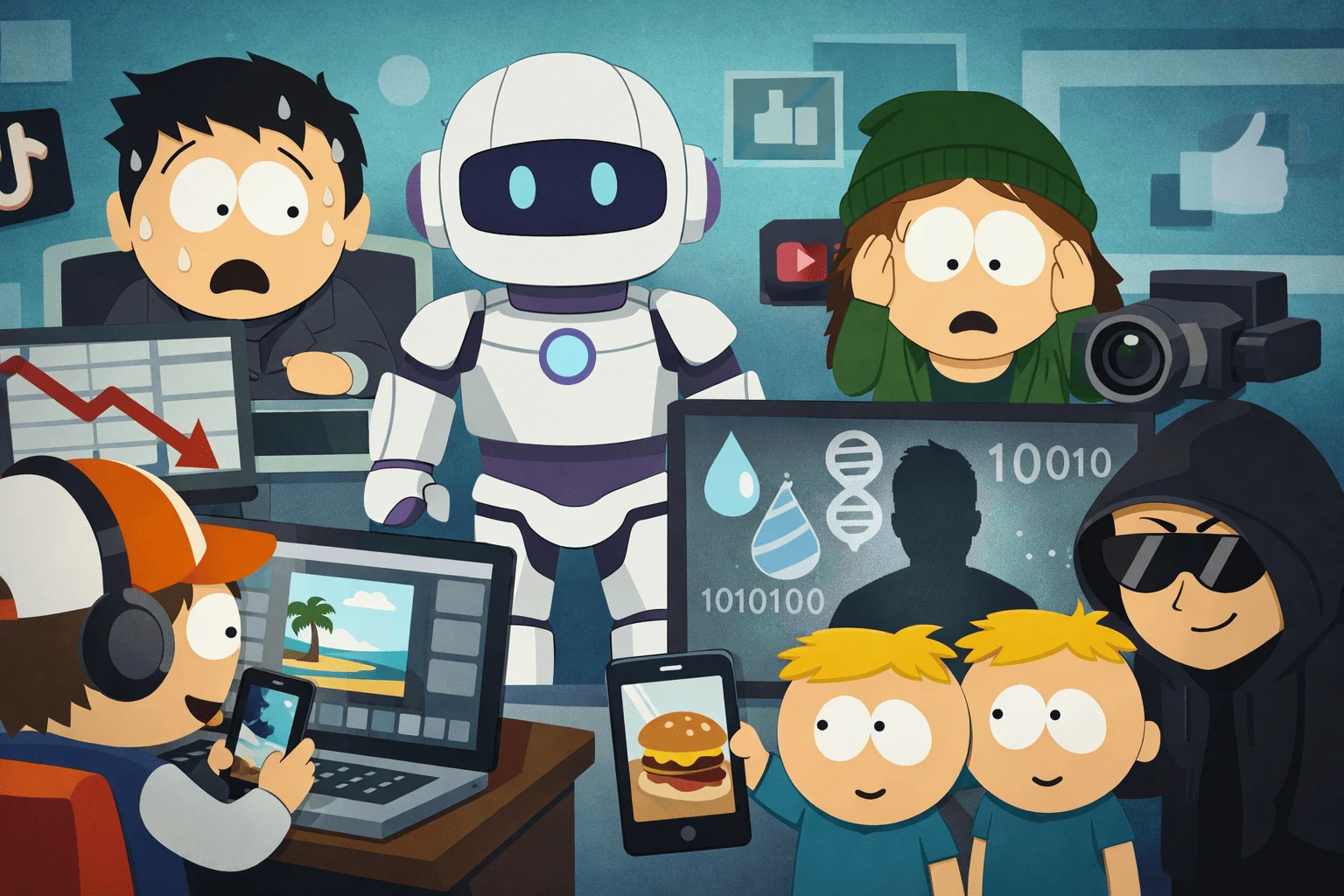
Table of Contents
- AI Shorts Took Over Fast
- Why Oversaturation Happened
- How Content Sameness Hurts Creators
- How Platforms Detect AI Content
- Viewers Don’t Trust AI Voices
- What Happens When Trust Fades
- How Ethical Creators Can Adapt
- The Algorithm’s Split Personality
- Regulation Is Coming
- How to Stand Out in an AI-Heavy World
- How to Balance Emotion and Automation
- What’s Next for AI Shorts
- FAQs
- Conclusion
AI Shorts Took Over Fast
AI-generated short videos have filled every major platform — YouTube, TikTok, Instagram. Anyone can make them in minutes with tools like Runway, Pika, or CapCut. The videos often look professional. Many creators now use text-to-speech, auto-editing, and stock visuals.
This made production fast and cheap. But the result is a flood of repetitive videos that all look and sound the same. Viewers notice. Algorithms notice. And platforms are starting to respond.
Why Oversaturation Happened
AI Shorts grew fast because they are easy to make. A few clicks, and a new video is ready. Creators learned that uploading often helps with reach. AI made that simple.
When everyone creates faster, the feed fills faster. Hundreds of new videos appear each minute. Many are almost identical. That’s oversaturation.
At first, it looked like opportunity. More videos meant more chances to grow. But now, it means less visibility for everyone. The same format, the same voice, the same script. The system is flooded.
How Content Sameness Hurts Creators
AI tools reuse the same elements: synthetic voices, viral templates, auto-written scripts. Most creators use similar prompts or models. The result is predictable videos that feel automated.
Viewers can sense it. They hear the same tone. They see the same pacing and editing. Over time, they lose interest.
The sameness also harms growth. Platforms reward engagement. If viewers stop watching early, the algorithm stops promoting those videos. That’s how sameness reduces reach.
The irony is that AI promised creativity at scale. But when everyone uses the same tools, creativity becomes uniform.
How Platforms Detect AI Content
Platforms are adding AI detection systems. They’re not talking much about it, but it’s happening.
AI Watermarks
Companies like Google and DeepMind use invisible watermarks. They’re built into pixels or sound waves. These marks show that content came from an AI system.
Platforms use this data to flag or track synthetic media. The process helps them manage misinformation and protect ad quality.
Detection Layers on YouTube, TikTok, and Meta
YouTube has tested “AI-generated” labels. TikTok asks users to disclose if they used AI for visuals or voice. Meta is experimenting with automatic AI tagging.
These systems are becoming part of moderation. In the future, every upload may carry an authenticity score — a way for platforms to know what’s human-made and what’s synthetic.
The Risk for Creators
Detection isn’t always bad, but it changes how platforms treat your content. Some AI-tagged videos lose visibility. Others face lower monetization rates.
Advertisers prefer human-made media. Viewers trust it more. Once platforms know your videos are AI-generated, they may reduce recommendations or limit ads.
The message is clear: full automation may not be safe long term.
Viewers Don’t Trust AI Voices
People can tell when a voice is artificial. They might not know how, but they feel it. AI voices sound too smooth, too even, too predictable.
At first, audiences found it interesting. Now, many skip those videos immediately. It’s called “AI voice fatigue.” The human voice carries emotion. AI often doesn’t.
This affects performance. Even if the visuals look good, the lack of emotion reduces engagement. And when engagement drops, algorithms react.
Creators who use AI voices for everything are noticing. Comments like “this sounds like a robot” or “is this AI?” are common. That’s a sign of trust fading.
What Happens When Trust Fades
Once viewers start doubting what they see, it’s hard to win them back. They stop believing the message. They assume every frame was generated.
AI content lacks the small imperfections that make something feel real. That’s why authenticity is becoming the key currency in digital media.
Platforms also know this. They can see which videos keep people watching. Human-made content often performs better in the long run.
AI can still help, but only if it supports genuine storytelling.
How Ethical Creators Can Adapt
AI doesn’t have to replace people. It can support them. The best creators now mix AI efficiency with personal insight.
They use AI to edit, write drafts, or suggest visuals. But they add their own voice, story, or opinion. That balance feels more real.
Transparency also helps. Saying “this video was made with AI tools” builds trust. It shows confidence and honesty. Platforms like that too.
Creators who blend human and AI work — hybrid creators — will do best. They can use automation without losing identity.
The Algorithm’s Split Personality
Platforms want AI content because it fills feeds fast. More videos mean more watch time. But they also fear what happens if feeds become fake or repetitive.
So algorithms walk a line. They still promote AI videos, but they also start filtering low-quality ones.
Many creators don’t realize this. They wonder why their views dropped. Often, it’s because their videos match patterns the system sees as mass-produced.
Platforms call it “content health.” They track originality, viewer retention, and engagement quality. If your content looks or sounds too generic, it might rank lower.
The system doesn’t ban you. It just stops recommending your work.
Regulation Is Coming
Governments are working on rules for AI-generated media. In the US and Europe, new labeling laws are being tested. Soon, creators may have to disclose AI use in videos.
This will likely affect monetization. Advertisers will have the option to exclude synthetic content. That means less revenue for undisclosed or heavily AI-based work.
Regulation may also shape visibility. Platforms could be required to clearly mark AI content. Once that happens, viewer behavior will change.
Some audiences won’t care. Others will filter it out.
For creators, this means one thing: adapt early. Be transparent. Learn how to make AI work in your favor without hiding it.
How to Stand Out in an AI-Heavy World
The key is originality. Share ideas that only you can express. Talk about real experiences. Use your own voice.
AI can’t replace experience. It can’t fake emotion that feels lived. That’s your edge.
Use AI to speed up the process, but don’t let it write for you. Make sure every video has something personal. It can be a small opinion, a quick story, or a real face.
Visual identity also matters. Use consistent colors, fonts, or music. Avoid the same templates everyone else uses. That’s how you stay visible.
How to Balance Emotion and Automation
AI handles structure well. It can build scripts, captions, or visuals. But it struggles with emotion.
Humans understand tone, pacing, and feeling. Add that manually. Speak in your own rhythm. Don’t rush. Don’t copy the AI’s tone.
A simple pause or laugh makes your video sound alive. Viewers stay longer when they feel a real person behind the screen.
Use AI as a tool. Don’t let it become your identity.
What’s Next for AI Shorts
The market is maturing. The novelty is gone. Platforms are watching quality closely.
Creators who adapt now will last longer. Those who keep mass-producing generic clips will fade.
Future success depends on three things:
- Transparency about AI use
- Consistent authenticity
- Balanced use of automation
This new phase isn’t anti-AI. It’s about accountability.
AI will keep improving. But trust will decide what survives.
FAQs
1. Are AI Shorts still worth making?
Yes, but focus on quality. Use AI to assist, not replace your creativity.
2. Will watermark detection limit growth?
It might. Watermarked or labeled videos could get less exposure. Be transparent, and balance AI with original input.
3. Can platforms block AI videos?
No. But they can limit reach or require disclosure.
4. Why do AI voices hurt performance?
They sound too artificial. People notice. Real voices hold attention longer.
5. Are AI detectors accurate?
They’re improving. Google, Meta, and others already use watermark systems. Expect them to expand.
6. How can I make AI content more human?
Add personal stories, your own voice, or real visuals. Avoid templates everyone uses.
Conclusion
AI Shorts changed how people create. They made it fast and easy to publish. But that ease created a flood of sameness.
Platforms now rely on detection systems and watermarking. Viewers are more cautious. They want authenticity.
Creators who keep relying on full automation will struggle. Those who combine human storytelling with AI tools will grow.
The future of AI content is not about more production. It’s about smarter, honest creation.
AI is useful. But human trust decides what matters.
✅ External Link:
Read more about watermarking and AI transparency from Google SynthID Detector.