The Lurker Economy: How to Monetize the 90% of Your Audience Who Never Engage
earn how to track, understand, and monetize the silent majority of your audience by focusing on intent-based metrics, lurker behavior, and low-friction offers that convert without public engagement.
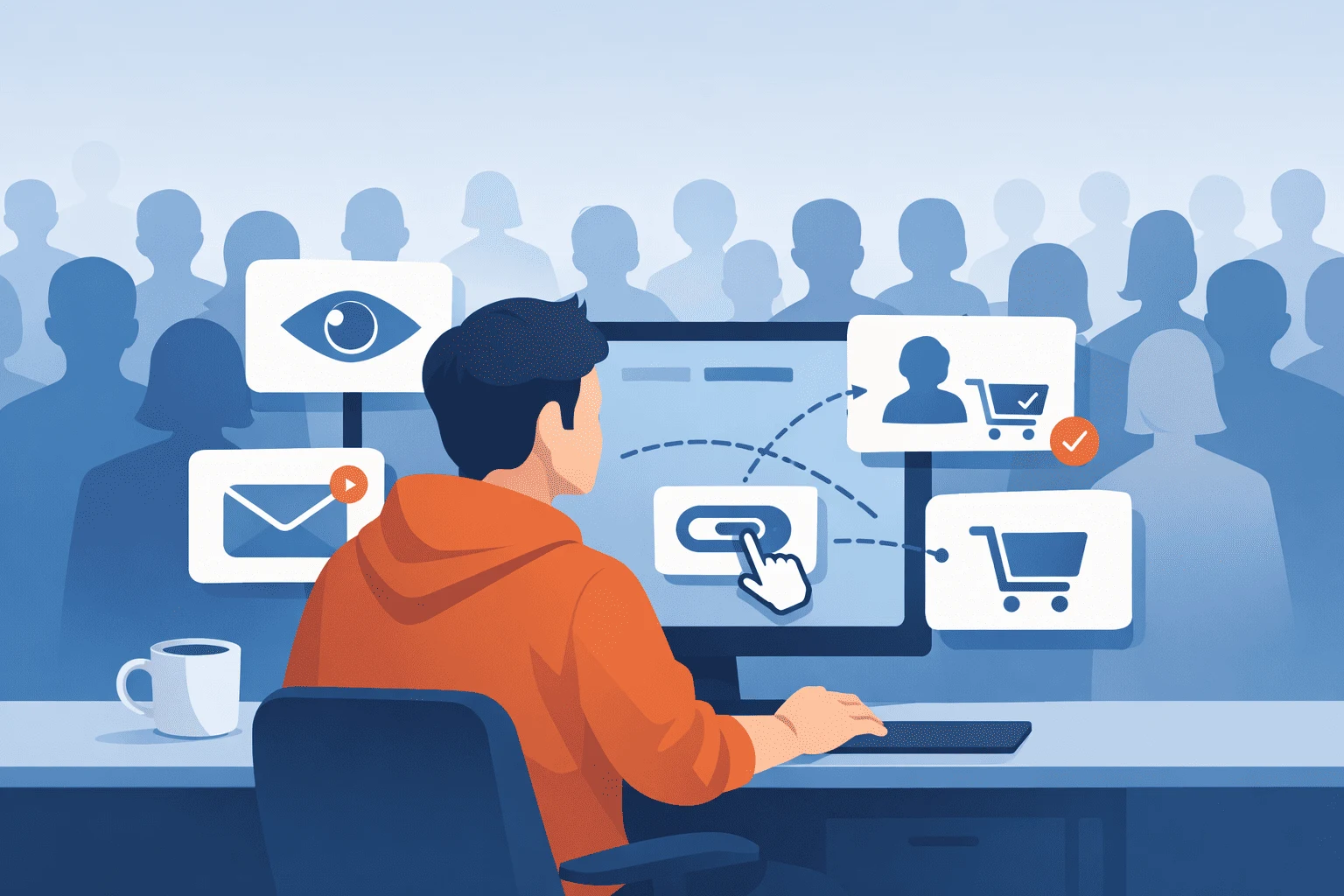
Table of Contents
- Introduction: Why Silent Audiences Drive Real Growth
- Understanding the Lurker Economy
- Why Public Engagement Fails as a Business Signal
- How to Track Lurker Behavior Effectively
- Why Lurker Metrics Reflect Business Health
- Creating Low-Friction Offers for Silent Audiences
- Content That Resonates With Lurkers
- Email Lists as a Bridge for Lurkers
- Quiet Success Stories
- Frequently Asked Questions
- Conclusion: Build for the Audience You Cannot See
Introduction: Why Silent Audiences Drive Real Growth
Most creators are taught to chase visible engagement. Likes, comments, and shares are treated as proof that content is working. While those signals feel reassuring, they represent only a small fraction of how people actually behave online.
The “Lurker” Economy: How to Monetize the 90% of Your Audience Who Never Engage focuses on the majority of your audience who consume content quietly. These people read posts, watch videos, tap Stories, click links, and visit profiles without leaving public signals. Their silence does not mean indifference. It usually means privacy.
Creators who learn to understand and serve this silent majority often build more stable businesses, make better decisions, and experience less pressure to perform for algorithms. This article explains how to track lurker behavior, why it offers stronger business insight than public engagement, and how to design offers that convert without forcing interaction.
Understanding the Lurker Economy
What the Lurker Economy Really Means
The lurker economy refers to the portion of your audience that consumes content without interacting publicly. These users rarely comment or like, yet they pay attention consistently. They form opinions, develop trust, and make purchasing decisions quietly.
In many cases, they outnumber active engagers by a wide margin.
Why Most People Choose to Stay Silent
Lurking is a preference, not a flaw. Many users avoid public interaction because they value privacy, dislike attention, or simply want to observe before committing. Some worry about judgment, while others treat social platforms as research tools rather than social spaces.
For these users, silence feels safe and efficient.
The 1–9–90 Pattern of Online Behavior
A common observation in online communities shows that a very small group creates or comments, a slightly larger group reacts, and the majority only consumes. When creators design strategies for the loudest users, they overlook the largest opportunity.
Why Public Engagement Fails as a Business Signal
The Limits of Likes and Comments
Likes and comments are easy to see, but they do not reliably predict revenue. They fluctuate with platform changes, timing, and content format. A post with low engagement can still drive sales, while a highly visible post may generate none.
The False Sense of Performance
Public engagement rewards personalities that invite reaction, not necessarily those that drive action. This can lead creators to prioritize entertainment over usefulness, even when their goal is business growth.
Shifting Toward Intent-Based Measurement
A healthier question to ask is whether content prompts curiosity or action. Quiet actions often signal stronger intent than visible reactions.
How to Track Lurker Behavior Effectively
Link-in-Bio Clicks as Buying Signals
Clicking a link requires intention. It shows that someone wants more information, even if they prefer to stay invisible. Tracking which posts lead to clicks reveals what truly resonates with your audience.
Metrics to watch include click volume, click-through rates, and patterns across content topics.
Story Sticker Taps as Low-Risk Interaction
Polls, sliders, and question stickers offer private interaction. Many lurkers will tap a sticker even when they avoid comments or replies. These micro-actions reveal preferences and interest without social exposure.
Profile Visits as Curiosity Indicators
Profile visits often happen before follows, email sign-ups, or purchases. When someone visits your profile, they are evaluating credibility and relevance. This makes profile traffic one of the most overlooked indicators of growth.
Why Lurker Metrics Reflect Business Health
They Align With Real Buying Behavior
Most people research quietly before buying. They read reviews, browse pages, and compare options without announcing themselves. Lurker behavior mirrors this process closely.
They Remain Stable Despite Algorithm Shifts
Public engagement often drops or spikes based on platform changes. Clicks, visits, and subscriptions tend to reflect genuine interest more consistently.
They Reduce Creator Burnout
Focusing on quiet signals helps creators detach their confidence from public validation. This leads to clearer thinking and more sustainable content creation.
Creating Low-Friction Offers for Silent Audiences
What Low-Friction Offers Look Like
Low-friction offers are easy to access and require minimal commitment. They do not demand calls, public replies, or long explanations. Examples include short guides, templates, workshops, and affordable digital products.
Why Lurkers Prefer This Approach
Lurkers value control and privacy. They want to learn or buy on their own terms. When the process feels simple and discreet, conversion rates improve.
Designing for Private Consumption
Clear descriptions, instant access, and straightforward pricing matter more than hype. Quiet clarity builds trust faster than aggressive promotion.
Content That Resonates With Lurkers
Education Over Performance
Lurkers respond well to content that teaches, explains, or solves problems. They tend to ignore posts designed mainly to provoke reactions or spark debates.
Respectful Calls to Action
Invitations such as “link in bio if useful” or “resource available if you want more” respect autonomy. They encourage action without pressure.
Consistency Builds Trust Without Noise
Even when they never interact, lurkers notice patterns. Regular posting, clear messaging, and steady value increase familiarity and confidence over time.
Email Lists as a Bridge for Lurkers
Why Email Feels Safer Than Social Interaction
Email offers privacy and control. Many lurkers feel more comfortable subscribing to a list than commenting publicly. This makes email one of the most effective channels for conversion.
Nurturing Quiet Subscribers
Educational emails, thoughtful insights, and gentle offers work well with this audience. Trust develops gradually without requiring participation.
Quiet Success Stories
Many creators with modest engagement metrics build strong income streams. Their success comes from understanding how people behave when no one is watching. They optimize for clicks, visits, and subscriptions rather than applause.
Frequently Asked Questions
Are lurkers valuable to a business?
Yes. Lurkers often convert at higher rates because their actions are intentional.
How can I measure lurker interest accurately?
Track link clicks, Story interactions, profile visits, and email growth.
Should I stop encouraging comments and likes?
You can still encourage them, but they should not be your primary success measure.
Which platforms have the largest lurker audiences?
Instagram, TikTok, YouTube, and LinkedIn all have large silent user bases.
Do lurkers ever become visible supporters?
Many do, often after long periods of observation.
Can small creators monetize lurkers effectively?
Yes. Low-friction offers work well regardless of audience size.
Conclusion: Build for the Audience You Cannot See
The “Lurker” Economy: How to Monetize the 90% of Your Audience Who Never Engage highlights a simple reality. Silence does not equal disinterest. Most people prefer to learn, evaluate, and decide privately.
Creators who design content, metrics, and offers for this reality gain clearer insight and steadier growth. By focusing on intent-based signals and respectful conversion paths, you can build a profitable creator business without chasing constant public validation.